
◆ Save $500 on Invisalign
Includes our 3-year results guarantee with 2 rounds of refinements
We work with CareCredit to make treatment affordable. Apply in minutes with no hard credit pull.
When you lose one or more teeth, the gap left behind does more than affect the way your smile looks. Over time, neighboring teeth begin to drift, your bite shifts, and the jawbone beneath the missing tooth can start to deteriorate. These changes can compound quietly, making a straightforward problem significantly harder to address later. The good news is that modern dentistry offers a solution that addresses all of it at once: the implant-supported bridge.
At White Pine Family Dental, our team has been caring for Reno patients for over 30 years with a philosophy rooted in personalized care and genuine connection. We take time to understand what each patient wants from their smile and build a treatment plan around those goals. Implant-supported bridges represent one of the most reliable, long-lasting paths to restoring both function and confidence, and we are proud to offer them as part of our comprehensive restorative dentistry services.
A traditional dental bridge fills a gap by anchoring a prosthetic tooth between two crowns placed on the natural teeth on either side of the space. An implant-supported bridge uses the same bridge concept, but instead of relying on neighboring teeth for support, it anchors directly to dental implants surgically placed in the jawbone. This distinction matters enormously. The implants mimic the function of natural tooth roots, stimulating the bone and preventing the deterioration that follows tooth loss.
Implant-supported bridges are particularly well-suited for patients who are missing two or more consecutive teeth, where modifying healthy adjacent teeth for a traditional bridge would be unnecessarily invasive. Because the bridge is supported by implants rather than crowns, those neighboring teeth remain untouched and intact.
The American Dental Association recognizes dental implants as one of several restorative options for replacing missing teeth and allowing patients to eat, speak, and smile comfortably.
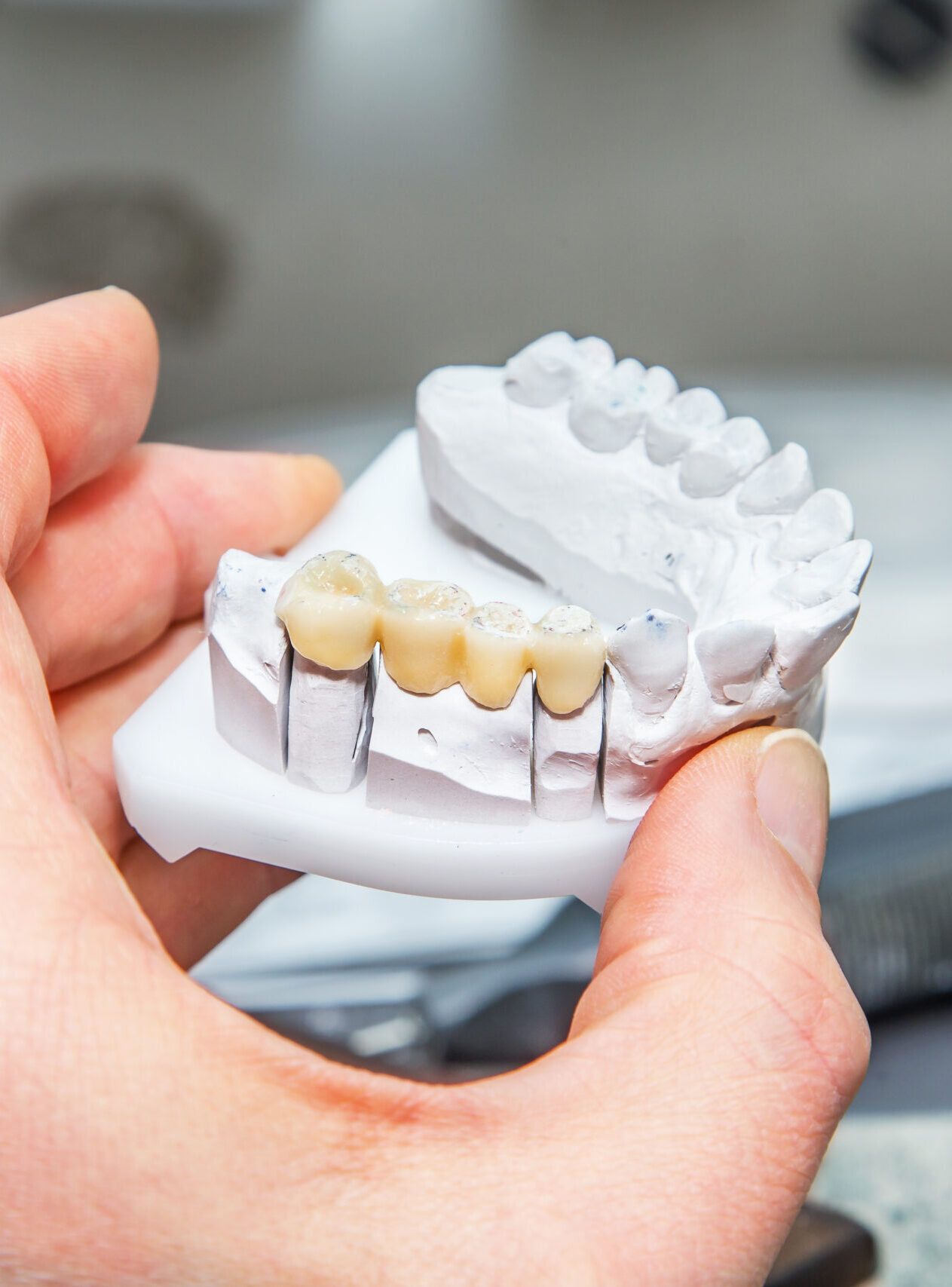
Restoring your smile with an implant-supported bridge typically unfolds over a period of several months, though the timeline varies depending on how much preparation is needed. First, our team conducts a comprehensive evaluation, including X-rays and a full assessment of your bone density and gum health. This step confirms whether you have sufficient bone to support implants or whether a bone graft may be needed beforehand.
Once cleared, the implant posts are surgically placed into the jawbone at the positions of the missing teeth. The next phase is healing: over the course of several months, the implants fuse with the surrounding bone through a process called osseointegration. This biological bonding is what gives implants their exceptional stability. After healing is confirmed, we take impressions to fabricate your custom bridge, which is then secured permanently to the implant posts. The final result looks, feels, and functions like natural teeth.
Implant-supported bridges work well for many patients, but a thorough evaluation is always the starting point. The types of concerns we commonly address with this restoration include:
Candidacy depends on factors like bone density, gum health, and overall medical history. Patients who smoke, have uncontrolled diabetes, or have had prior radiation to the jaw may need additional evaluation, but many are still good candidates with the right preparation plan.
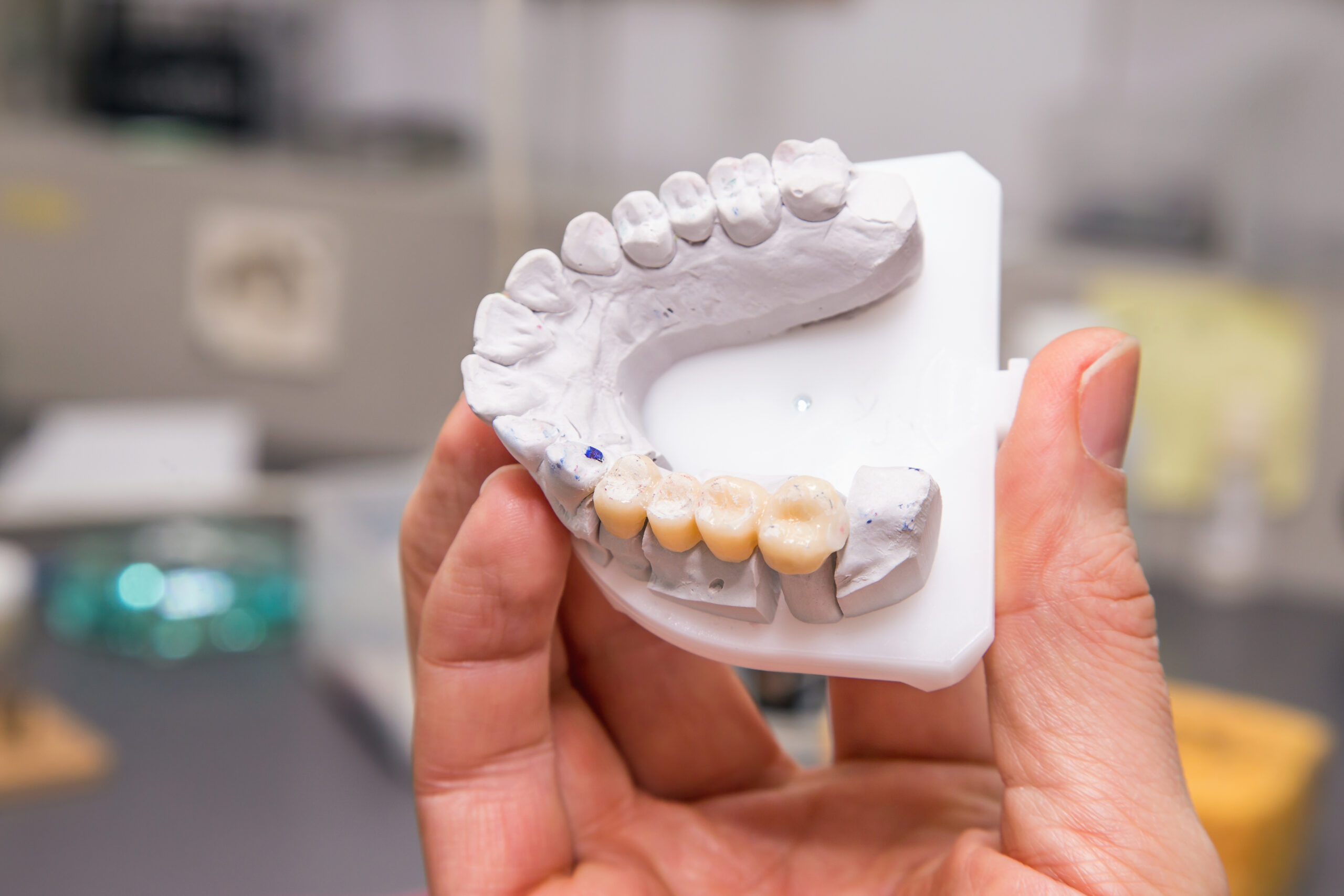
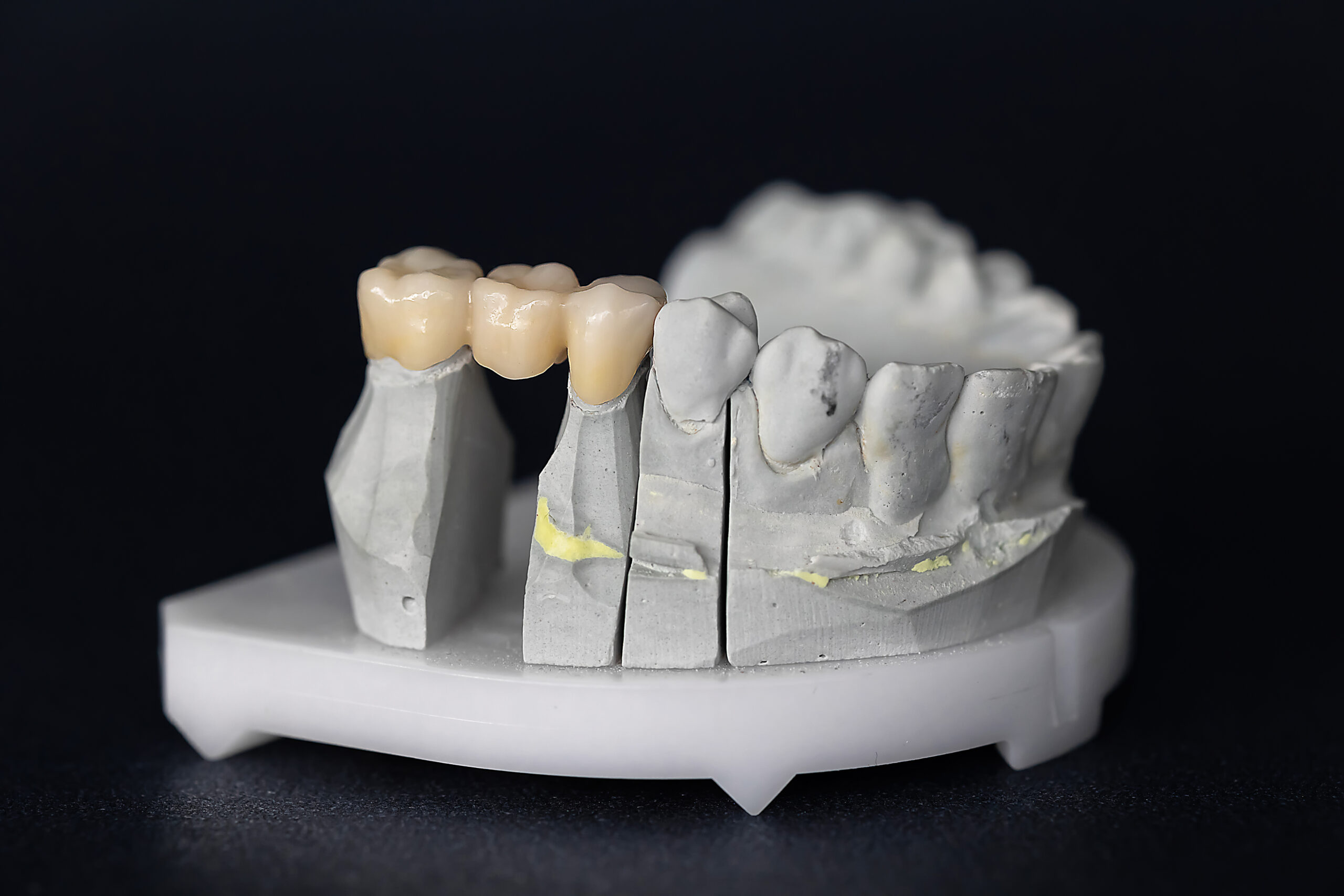
At White Pine Family Dental, we take pride in the care we put into planning. Before any surgical step, we review every detail of your oral health and talk through your concerns honestly, including what the process involves, how long it takes, and what you should expect during recovery. We want you to feel informed and comfortable from the very first consultation.
After placement, we do not simply hand you a care sheet and send you on your way. Our team follows up closely throughout the healing process, monitors osseointegration, and makes precise adjustments to the final bridge so it feels natural and sits comfortably in your bite. Patients can count on us being available if any questions arise between visits.
One of the most appealing aspects of this restoration is how straightforward the maintenance routine is. Unlike traditional dentures or removable appliances, implant-supported bridges require no special adhesives or soaking solutions. Daily care includes brushing twice a day with a soft-bristled toothbrush and fluoride toothpaste, flossing carefully around the base of the bridge using a floss threader or water flosser, and attending regular professional cleanings and checkups with our team. With consistent care, implant-supported bridges are among the most durable dental restorations available, and they can serve patients well for many years.


White Pine Family Dental is a family-owned practice that has served the Reno community for over 30 years. Our doctors bring decades of combined experience to every treatment, and our team is built around a singular goal: making our patients’ lives better. We work with a wide range of insurance plans and are committed to helping you understand all of your payment options before treatment begins.
If you are ready to explore whether an implant-supported bridge is the right solution for your smile, we would love to hear from you. Contact our office to schedule a consultation, and let us show you what personalized dental care in Reno truly feels like.

Our patients often have questions before deciding whether an implant-supported bridge is right for them. Here are answers to the ones we hear most often.
White Pine Family Dental · Reno, NV
New patient exam
Comprehensive initial visit
Teeth cleaning
Routine professional cleaning
Teeth whitening
Professional in-office treatment
Dental bonding
Cosmetic bonding per tooth
Dental crown
Build-up available: +$419
Dental bridge
Pontic $1,696 · Retainer/abutment $1,708
Dentures
Per arch
Not sure which treatment is right for you?
Our Reno team is happy to walk you through your options — no pressure, no commitment.
Prices are starting rates and may vary based on individual treatment needs. Contact our office for a personalized estimate and to discuss your insurance coverage.
Proper bridge care is essential for longevity. Brush twice daily with fluoride toothpaste, paying special attention where bridge meets natural teeth and gums. Clean underneath the bridge daily using floss threaders, super floss, interdental brushes, or water flossers to remove food debris and bacteria—this prevents decay in anchor teeth. Maintain six-month professional cleanings for tartar removal and bridge inspection. Avoid chewing ice, hard candy, or bones; don’t use teeth as tools; don’t bite directly into hard foods with front bridges; and minimize sticky foods like caramels. If you grind teeth, wear a custom night guard. Rinse with antimicrobial mouthwash. Visit immediately if bridge feels loose, causes pain, or has visible damage. With proper care, your bridge from White Pine Family Dental can exceed its average lifespan.
Monday – Thursday: 8:00 AM – 5:00 PM
Friday – Saturday: 8:00 AM – 3:30 PM
Phone: (775) 825-6655
Fax: (775) 825-8691