
◆ Save $500 on Invisalign
Includes our 3-year results guarantee with 2 rounds of refinements
We work with CareCredit to make treatment affordable. Apply in minutes with no hard credit pull.
Periodontal diseases are infections of the gums, which gradually destroy the support of your natural teeth.
There are numerous disease entities requiring different treatment approaches. Dental plaque is the primary cause of gum disease in genetically susceptible individuals.
Daily brushing and flossing and professional teeth cleanings will prevent most periodontal conditions.
Adults over 35 lose more teeth to gum diseases, (periodontal disease) than from cavities. Three out of four adults are affected at some time in their life. The best way to prevent cavities and periodontal disease is by good tooth brushing and flossing techniques, performed daily.
Periodontal disease and decay are both caused by bacterial plaque. Plaque is a colorless film, which sticks to your teeth at the gum line. Plaque constantly forms on your teeth. By thorough daily brushing and flossing you can remove these germs and help prevent periodontal disease.
Periodontal diseases can be accelerated by a number of different factors. However, it is mainly caused by the bacteria found in dental plaque, a sticky colorless film that constantly forms on your teeth. If not carefully removed by daily brushing and flossing, plaque hardens into a rough, porous substance known as calculus (or tartar).
Bacteria found in plaque produces toxins or poisons that irritate the gums, which may cause them to turn red, swell and bleed easily. If this irritation is prolonged, the gums separate from the teeth, causing pockets (spaces) to form. As periodontal diseases progress, the supporting gum tissue and bone that holds teeth in place deteriorate. If left untreated, this leads to tooth loss.
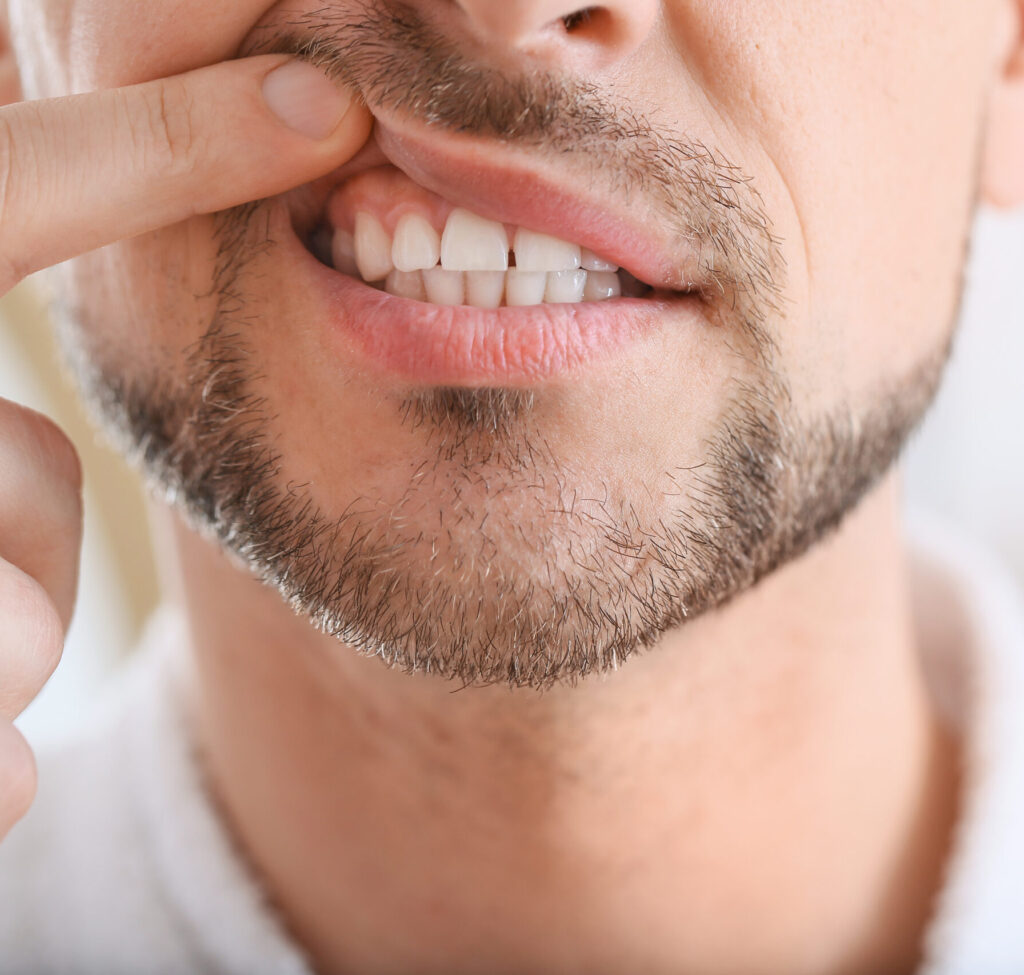
The best way to prevent gum disease is effective daily brushing and flossing as well as regular professional examinations and cleanings. Unfortunately, even with the most diligent home dental care, people still can develop some form of periodontal disease. Once this disease starts, professional intervention is necessary to prevent its progress.
Learn more about periodontal maintenance through our ADA Patient Education library.

Gum disease often develops silently, with early warning signs that many people dismiss as normal or temporary. Understanding these symptoms can help you seek treatment before the condition progresses to more serious stages that may require extensive intervention.
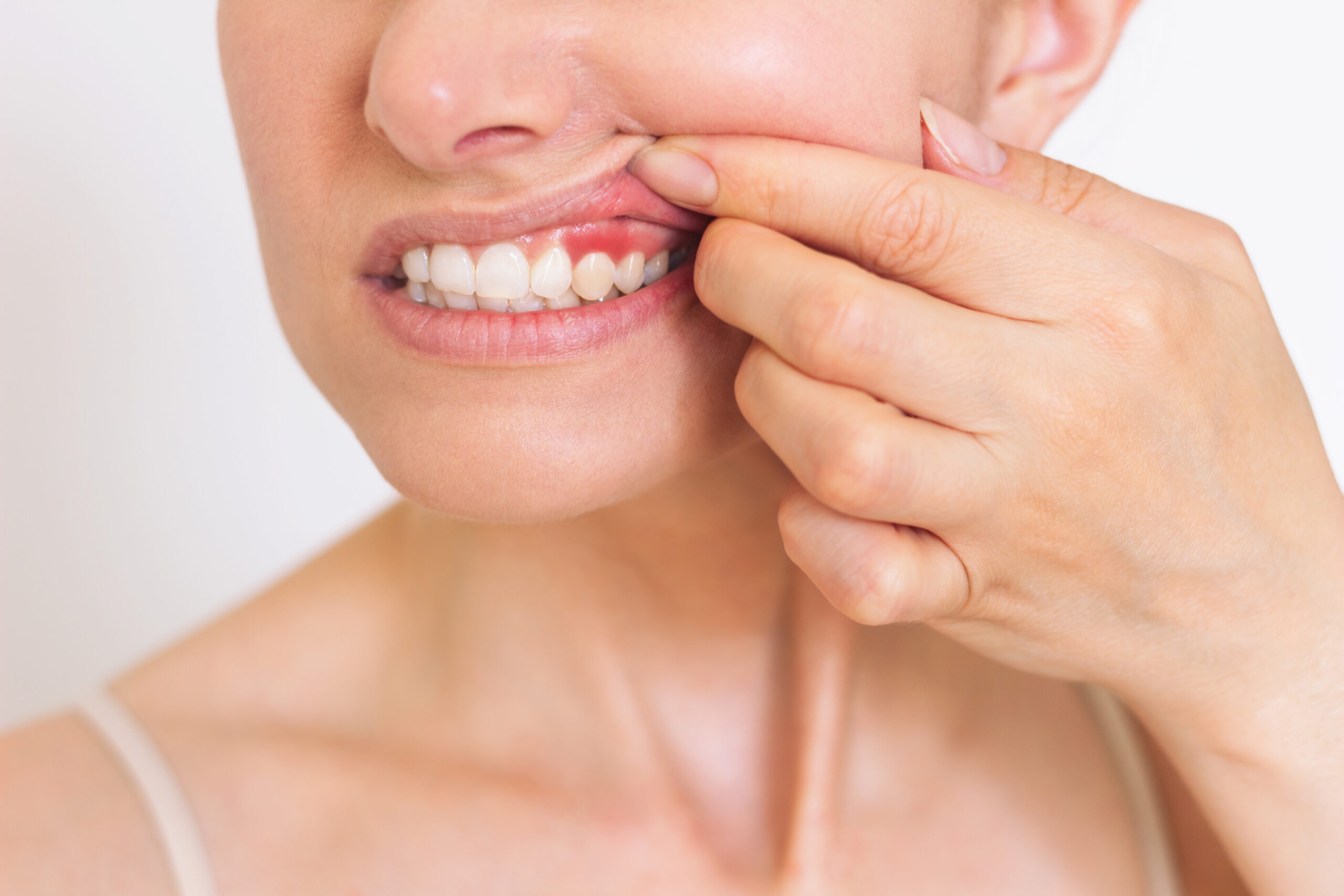
Red, swollen, or tender gums represent the most obvious early indicators of gum disease. Healthy gums should appear pink and firm, not puffy or inflamed. If your gums feel sore when you brush or floss, this tenderness signals that bacteria are irritating the gum tissue and inflammation has begun.
Bleeding gums during brushing or flossing is never normal, despite what many people believe. While occasional bleeding might occur if you haven’t flossed in a while or you have an acute infection caused by a seed or other irritation (think popcorn), consistent bleeding indicates gingivitis, the first stage of periodontal disease caused by plaque buildup. This bleeding occurs because inflamed gums have become fragile and easily damaged.
The following symptoms often indicate gum disease has progressed beyond the earliest stages:
These warning signs shouldn’t be ignored, as they indicate bacterial infection is actively damaging your oral tissues. Advanced symptoms include loose teeth, changes in your bite, or teeth shifting position. These signs indicate that chronic periodontitis has begun destroying the tissue and bone supporting your teeth. Research shows this condition affects 47.2% of adults over 30 in the United States and can lead to tooth loss if left untreated.
Don’t ignore these warning signs. Early detection and treatment of gum disease can prevent progression to more serious stages that require extensive procedures. Our team at White Pine Family Dental provides comprehensive gum disease treatment to restore your oral health and prevent complications.
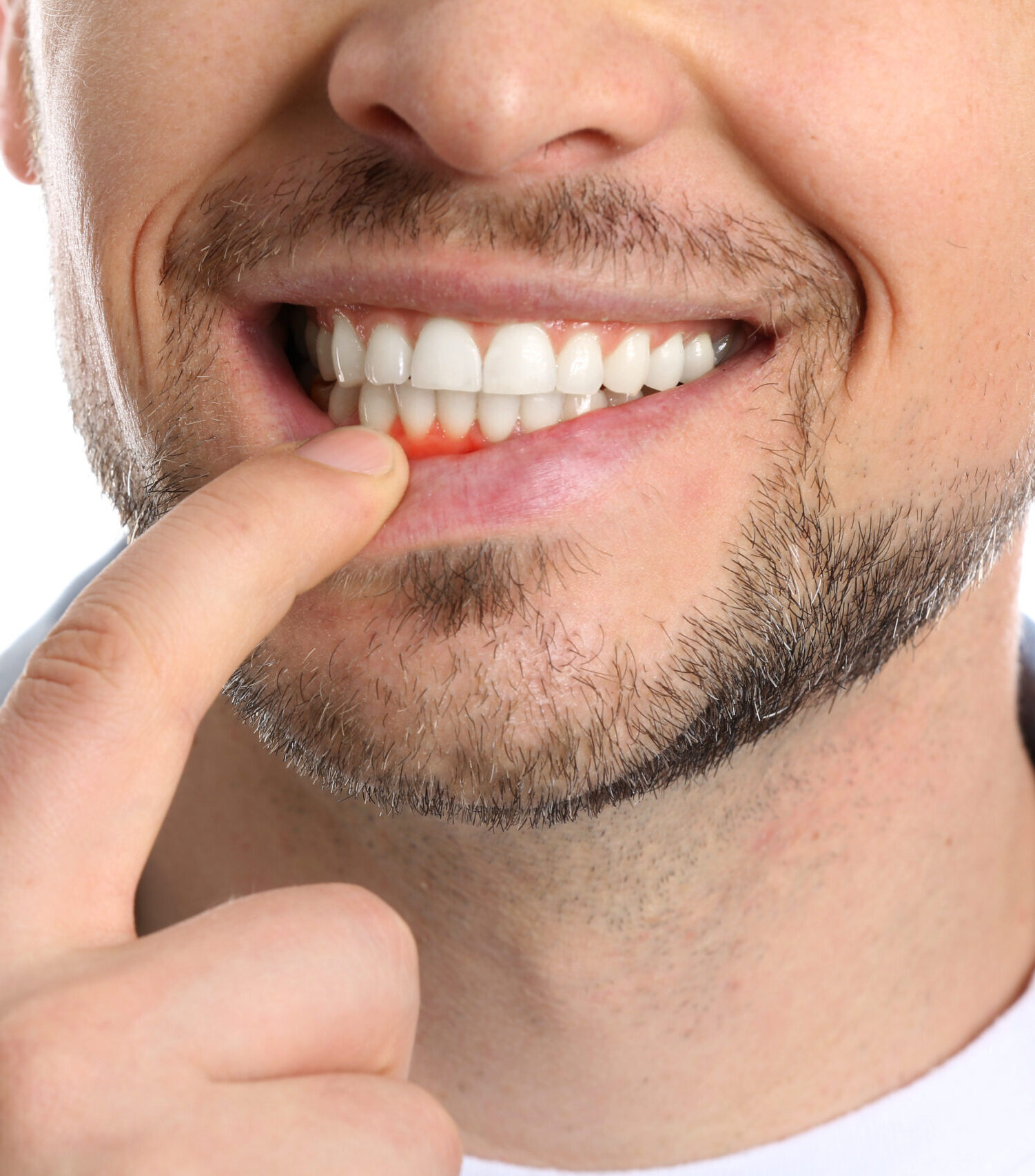
Effective gum disease treatment depends on the stage of the condition and how much damage has already occurred. Early intervention provides the best outcomes, while advanced cases may require more extensive procedures to restore gum health and prevent tooth loss.
For mild gingivitis, improved home care often reverses the condition completely. This includes brushing twice daily with fluoride toothpaste, flossing daily, and using an antimicrobial mouthwash. However, professional cleaning remains essential to remove hardened plaque (tartar) that home care cannot eliminate.
When gum disease progresses beyond gingivitis, professional treatment becomes necessary. The most common initial treatment is scaling and root planing, also known as deep cleaning. This procedure removes plaque and tartar from below the gum line and smooths root surfaces to help gums reattach to teeth.
Professional treatment options for gum disease include:
The American Dental Association explains that scaling removes plaque from tooth roots while root planing smooths the root surfaces so gums can reattach properly. Advanced gum disease may require surgical intervention to restore damaged tissues and bone. These procedures can include pocket reduction surgery, soft tissue grafts, or bone regeneration techniques. While these treatments are more involved, they can save teeth that might otherwise be lost to severe periodontal disease.
Following treatment, ongoing periodontal maintenance visits every three to four months help prevent disease recurrence. These appointments monitor healing progress and remove any bacterial buildup before it causes problems. Success depends on both professional treatment and your commitment to excellent home care.
This reviews section is in progress. Please visit the Patient Review Form page to leave a review about your dental crown experience with White Pine Family Dental. Call our office if you would like more information: (775) 295-9642.
Monday – Thursday: 8:00 AM – 5:00 PM
Friday – Saturday: 8:00 AM – 3:30 PM
Phone: (775) 825-6655
Fax: (775) 825-8691