This article explains how fluoride helps keep teeth strong and healthy. Cavities that are not treated can cause pain, loss of teeth, and spread of infection. The good news is you can prevent most cavities with good dental care and fluoride.
What Is Fluoride? Why Is It Important?
Fluoride (FLOOR-eyed) is a natural mineral in all water sources — even oceans and lakes. Fluoride can prevent cavities in children and adults. Cavities can be caused by sugar and acid in our food and drinks. Fluoride helps protect tooth enamel (e-NAM-uhl), the hard outer surface of your teeth, from the acid attacks that cause cavities. It also helps repair weakened enamel before cavities form and reverses signs of decay.
What Is the Best Way to Get Fluoride?
Teeth get fluoride in two ways:
when it is swallowed
when it is put onto the tooth’s surface
To prevent cavities, it is best to get a little bit of fluoride both ways.
Tap Water
Fluoride that is swallowed usually comes from tap water. In some parts of the U.S., the tap water naturally has justx the right amount of fluoride. In other places, the tap water does not have enough fluoride. So, some cities and towns add fluoride to the tap water. This is called water fluoridation.
Many communities in the U.S. adjust the level of fluoride in their public water systems to 0.7 milligrams of fluoride per liter of water (0.7 mg/L). This is the recommended level in drinking water for good oral health. Almost 75% of the people in the U.S. have public water systems that are fluoridated.
Topical Fluoride
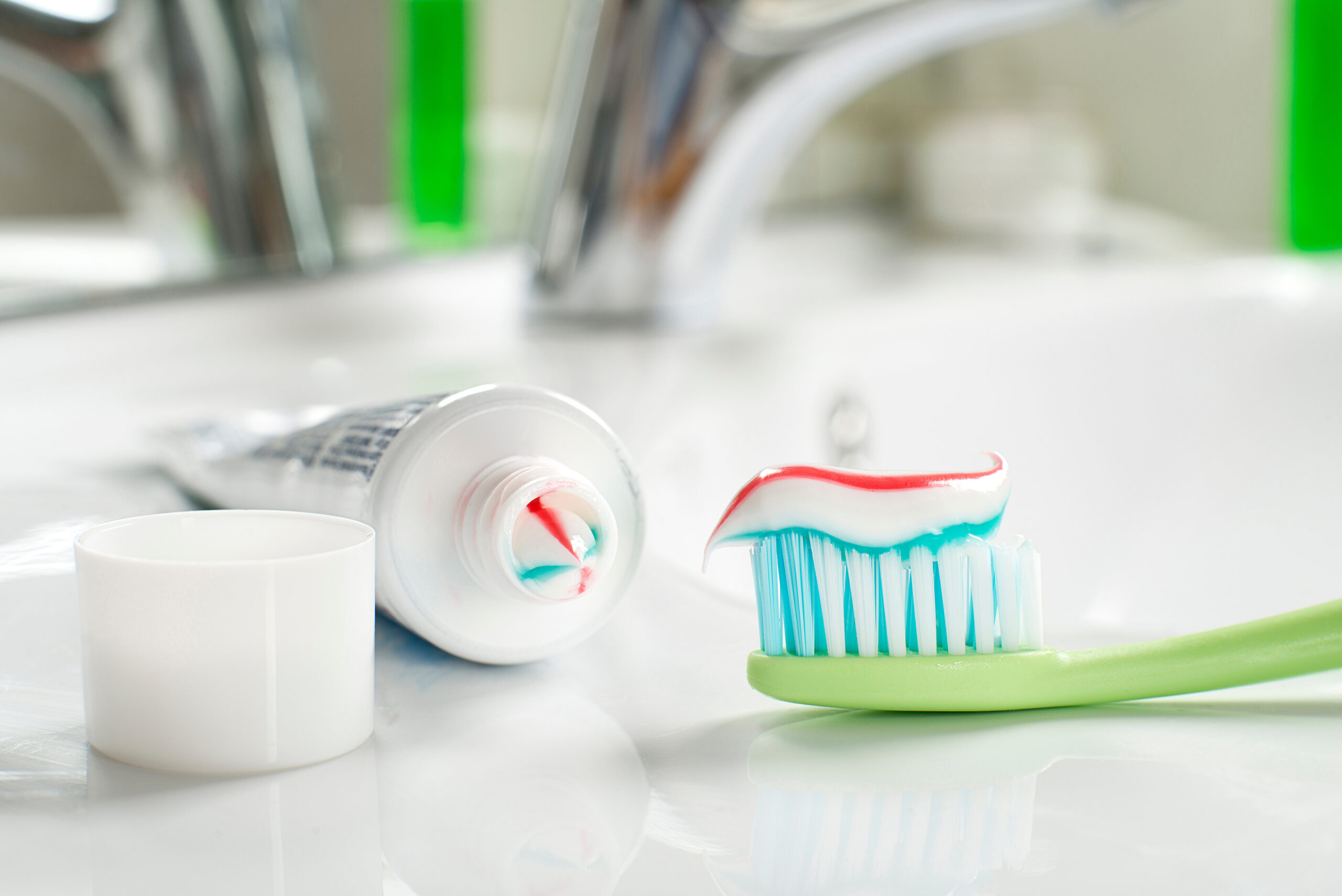
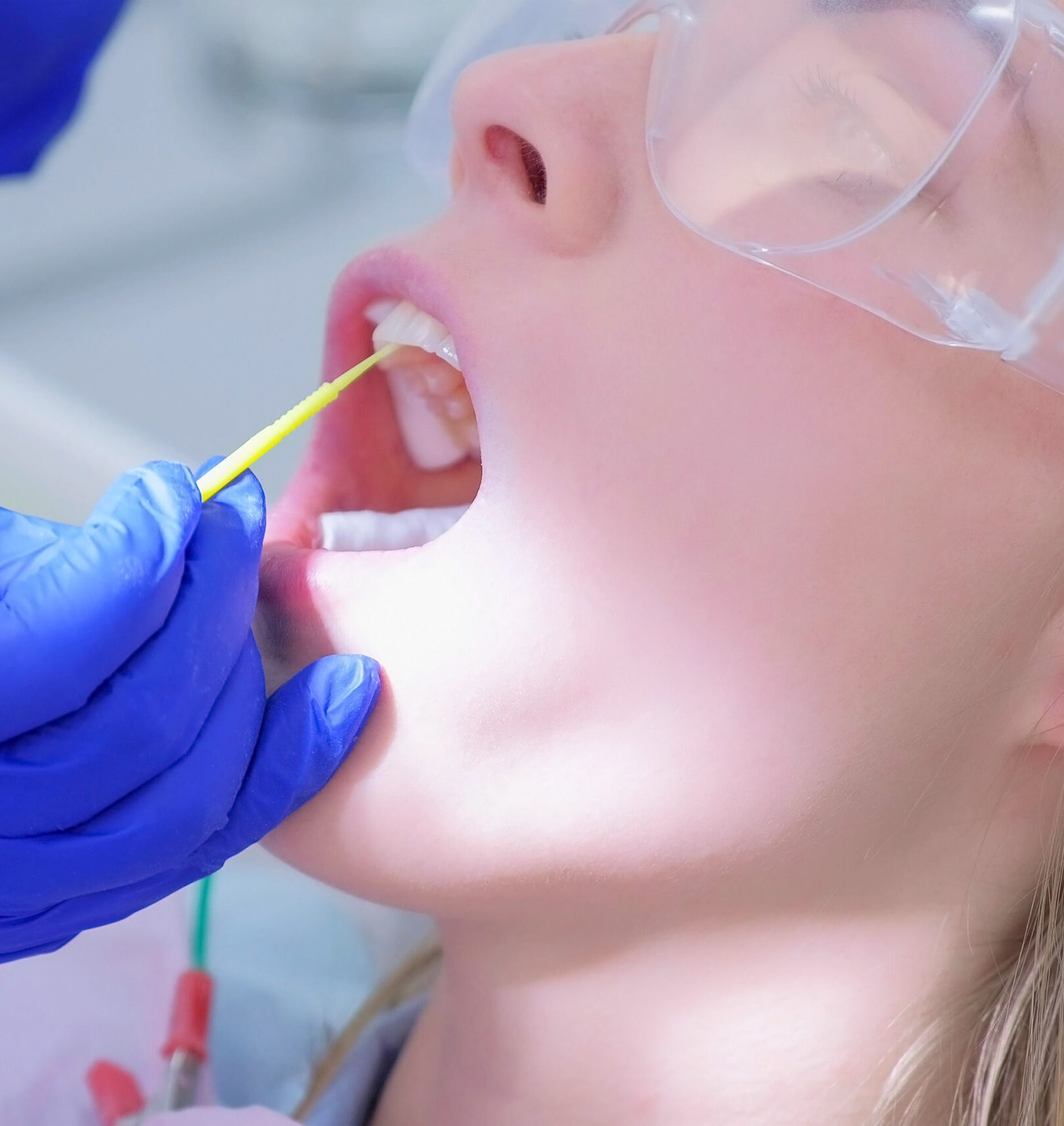
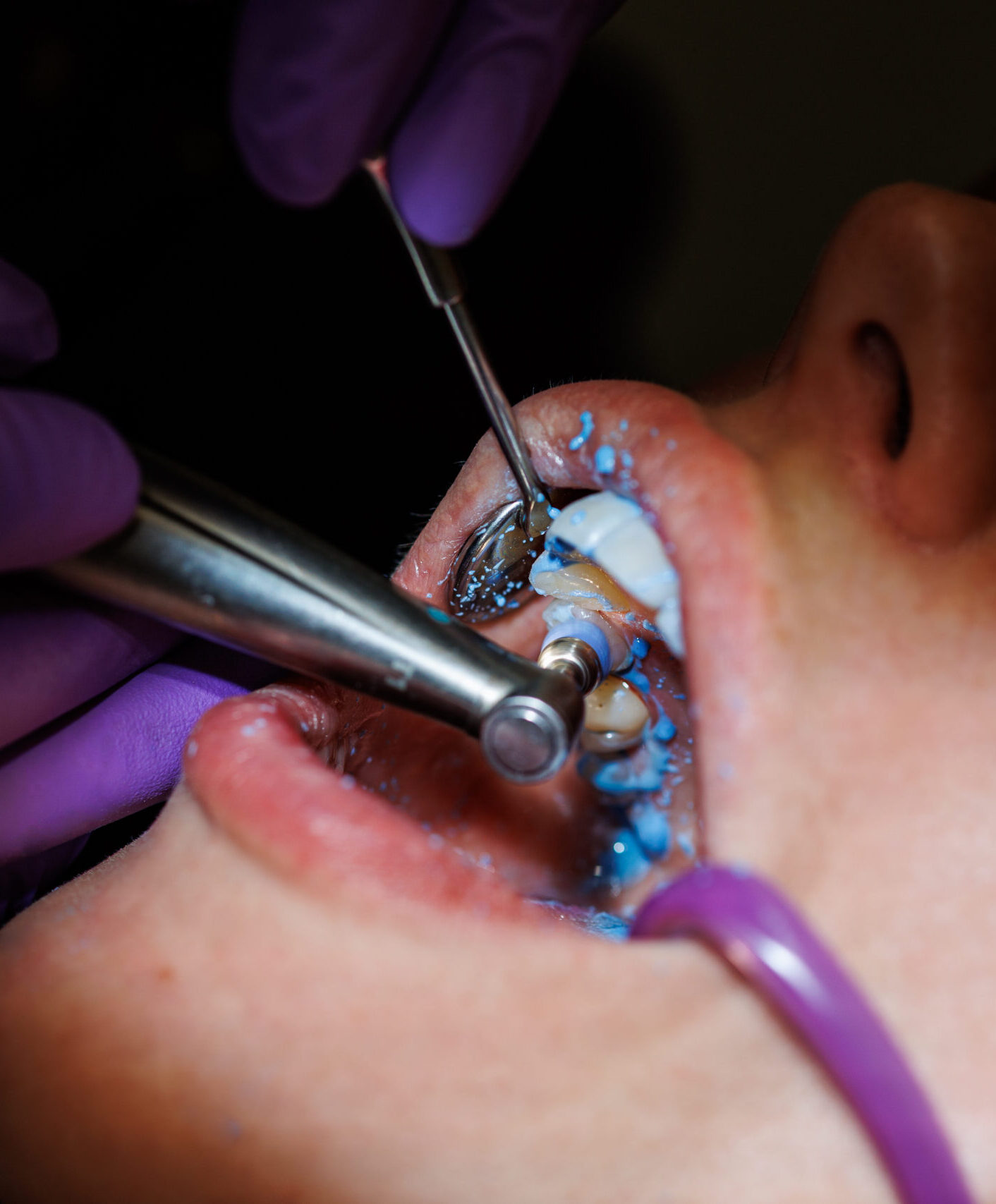
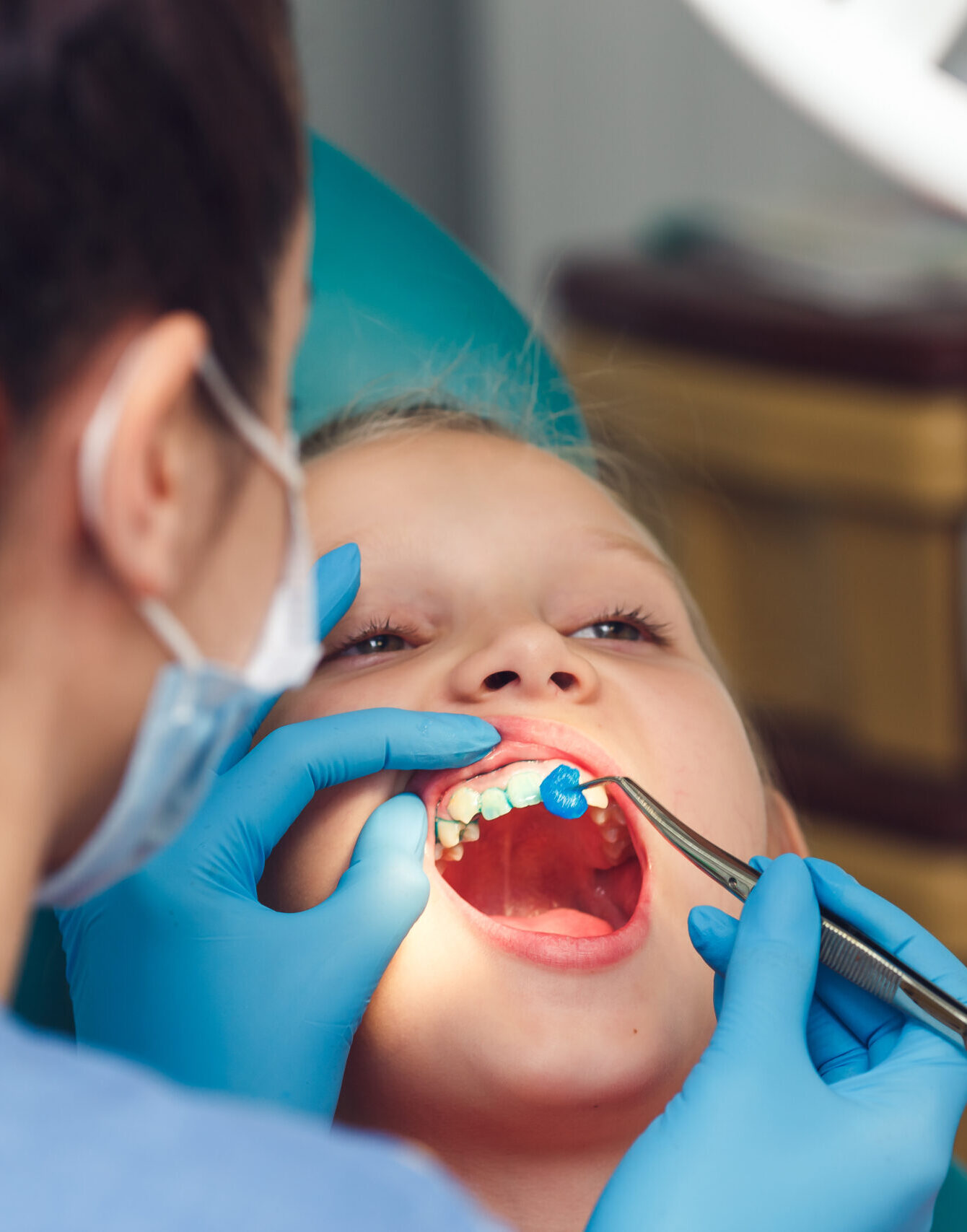
When fluoride is put onto the surface of your teeth, it is called topical fluoride. Fluoride toothpastes and mouth rinses sold in stores are one way for your teeth to get topical fluoride. Also, your dentist can apply a fluoride gel or varnish to your teeth.
Home Water Treatment Systems
Your home water filter system might remove fluoride from the water. Reverse osmosis and distillation systems can remove fluoride. However, filters that come in pitchers or attach to your faucet generally do not remove a lot of fluoride. Check with the maker of the product to learn if the filter or system removes fluoride from your drinking water.
Most bottled waters do not have the levels of fluoride needed to help prevent cavities. If you drink bottled water often, you may be missing the benefits of fluoridation. To learn about the fluoride level in the water, check the label. If it is not listed, you should contact the manufacturer.
Water Fluoridation Is Safe
More than 70 years of study and experience have shown that water fluoridation is safe. Fluoridation of community water is supported by leading health organizations, including the American Dental Association (ADA), the Centers for Disease Control and Prevention (CDC), the American Academy of Pediatrics (AAP), the American Medical Association (AMA), and the World Health Organization (WHO).
What Are the Benefits of Water Fluoridation?
Studies show water fluoridation reduces cavities by at least 25% in children and adults. It especially benefits people who are not able to get regular dental care.
It saves money. The average lifetime cost per person to fluoridate a water supply is often less than the cost of one dental filling.
It is safe and effective. Fluoride, similar to calcium and sodium, is another mineral that contributes to a healthy body.
It’s easy! You can help protect your teeth simply by drinking fluoridated water, anytime, anywhere.
How Do I Know If My Water Is Fluoridated?
To find out if the tap water in your area contains fluoride at a level that can help prevent cavities, ask your dentist. You also can contact your community’s water supplier. If you have a private water well, the Environmental Protection Agency (EPA) recommends you test your water every year for safety. These water tests can include fluoride levels.
Fluoride for Children
Children under 3 years
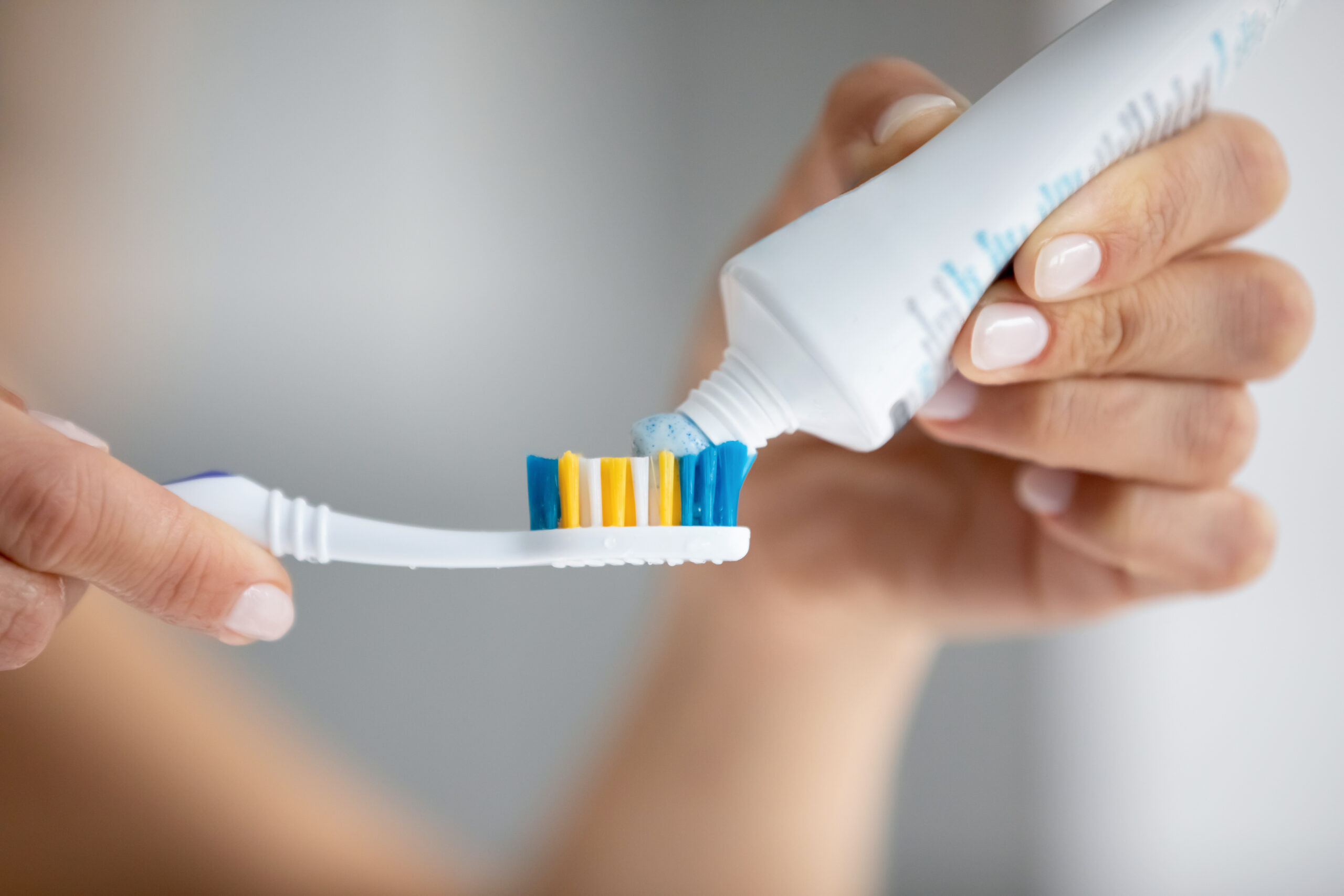
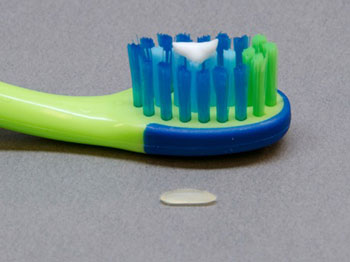
Begin brushing the teeth of your children under the age 3 years as soon as teeth begin to come into the mouth. Use no more than a grain-of-rice-sized amount of fluoride toothpaste on the brush. Watch children to make sure they don’t swallow the toothpaste.
Children ages 3 to 6 years
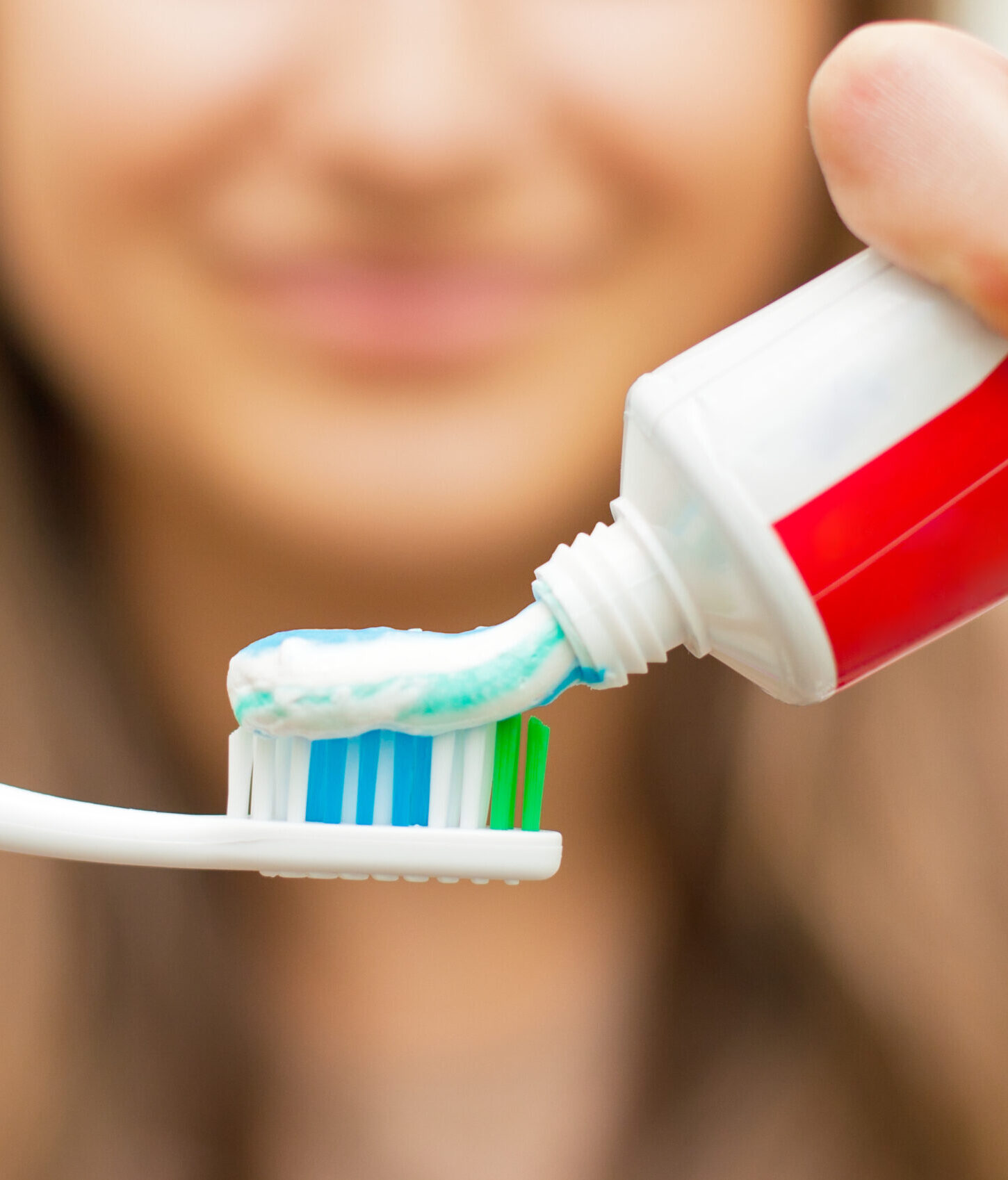
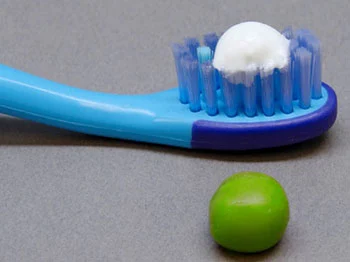
Put no more than a pea-sized amount of fluoride toothpaste on the toothbrush. Help your child brush and teach him or her to spit out the toothpaste and not swallow it.
Children under 6 years
Fluoride mouth rinses are not recommended for children under 6 years. Parents should keep an eye on children under 6 years when they use any dental product with fluoride. More fluoride is not always better. These products should be stored out of the reach of young children.
Have more questions? Visit MouthHealthy.org fluoride for the latest information about fluoride and fluoridation.
Other Sources of Fluoride
Not everyone lives in an area with fluoridated water. For those people, fluoride is available in other forms. If your community’s water does not have fluoride, talk to your dentist or physician about your family’s fluoride needs.
For children under three years old.
For children three to six years old.
Fluoride Supplements
Fluoride pills, drops and lozenges are for children between 6 months and 16 years old who live in areas with little or no fluoride in the water and are at high risk of tooth decay. For best results, these fluoride products should be used every day until the child is 16 years old. Ask your child’s dentist or physician about your child’s fluoride needs. Supplements are available only by prescription.
Over-the-Counter Fluoride Products
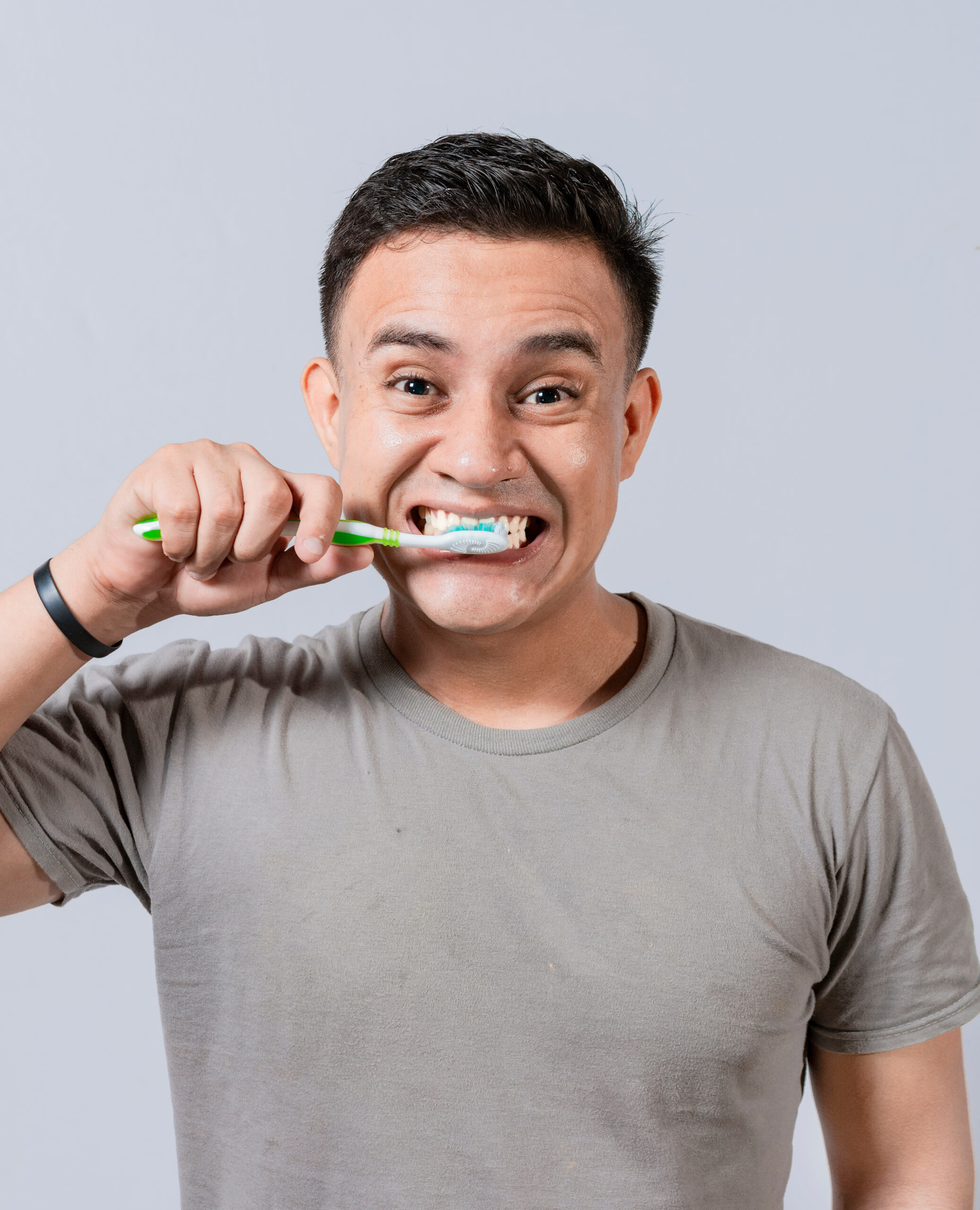
Fluoride toothpastes and mouth rinses with the ADA Seal of Acceptance help prevent cavities in children and adults. When you shop for dental products, look for the ADA Seal so you know that a product is safe and effective. You and your children should brush your teeth twice a day using a toothpaste that contains fluoride.