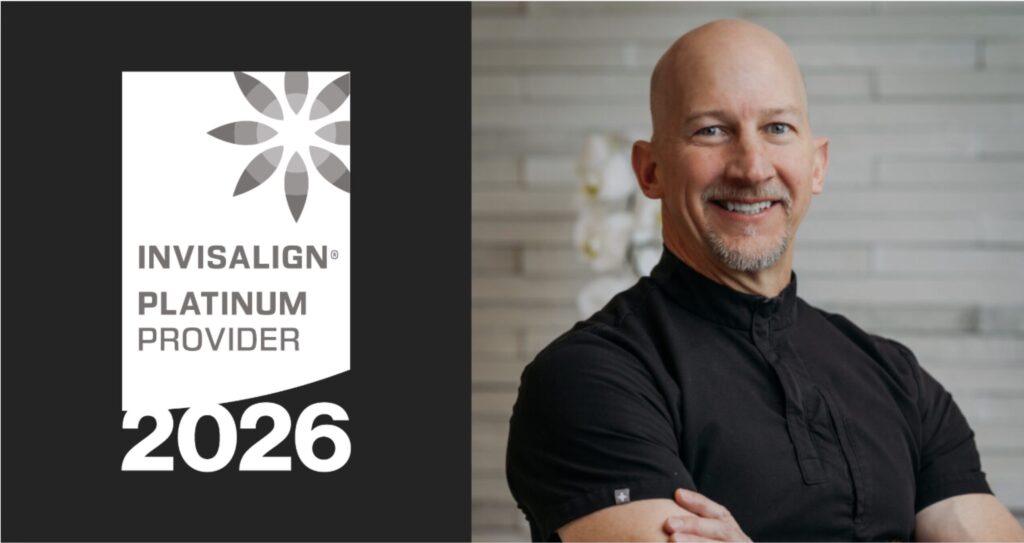
Invisalign Platinum Provider – Serving patients in Reno, Invisalign Provider since 2004
A straighter smile, done right the first time
Invisalign Provider in Reno, NV
Twenty years of Invisalign experience in Reno, guided start-to-finish by Dr. Prince. Not a production line — a plan built around your life, your bite, and the result you actually want.
$500
off your Invisalign case
3-yr
results guarantee + 2 refinements
Request Your Consultation
Takes 30 seconds · We’ll call to schedule · No obligation
Where experience and continuous learning meet. Invisalign has evolved since Dr. Prince started providing Invisalign in 2004 and White Pine Family Dental has evolved along with it. Many Invisalign providers are still using the methodologies developed in 2004 and don’t fully understand the latest generations of this product. Dr. Prince developed the Natural Smile Method® to improve the longevity, beauty and health, all while having many patients reporting a reduction of tension in the face and jaw.
“We are not an Invisalign mill striving to treat the most patients, we are a high quality Invisalign provider striving to help our patients the most.“ – Dr. Ken Prince
Reserve a complimentary consultation to see for yourself.
You will look and feel better for life, we guarantee it.
White Pine Family Dental provides two refinement rounds for up to 3 years at no additional charge to ensure your satisfied. We then provide a patient specific protocol to keep your teeth straight and healthy for life. Guaranteed.
A family practice that knows you
Since 1994 White Pine Family Dental has been serving patients in Reno with remarkable hospitality. We are family-owned, small enough to know you and big enough to be available when you need us, open Monday-Saturday for your convenience.
Trained by the world's top providers
Dr. Prince embraced Invisalign in 2004 treating patients just 5 years after Invisalign came to market. And to this day continues his education from the #1 general dentist Invisalign provider in the world and a large collective group of colleagues teaching and learning from each other. At the International Invisalign Summit Dr. Prince was introduced as a “Top Doctor 2025”.
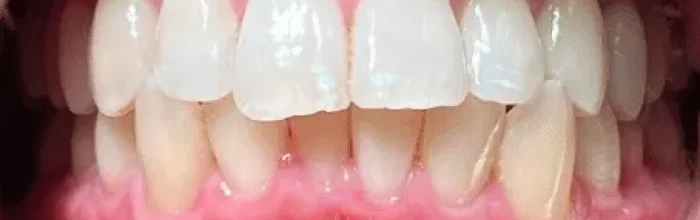
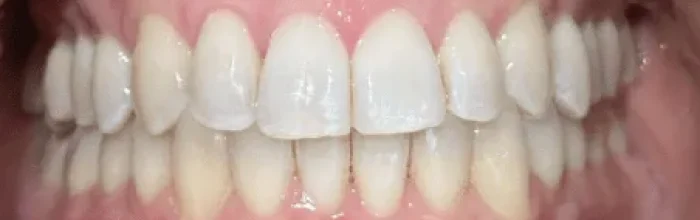
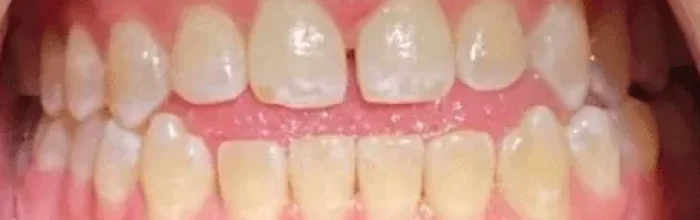
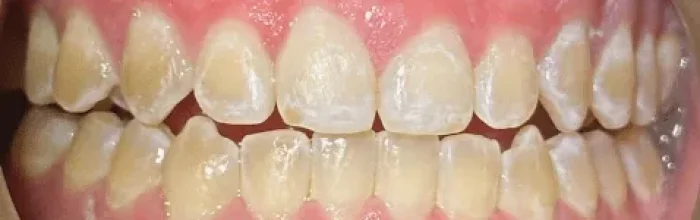
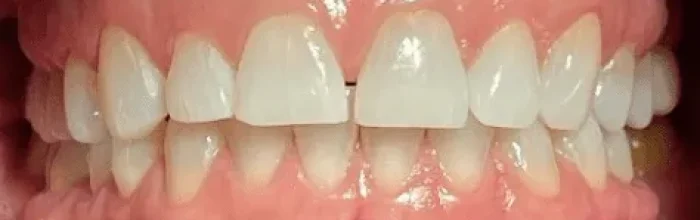
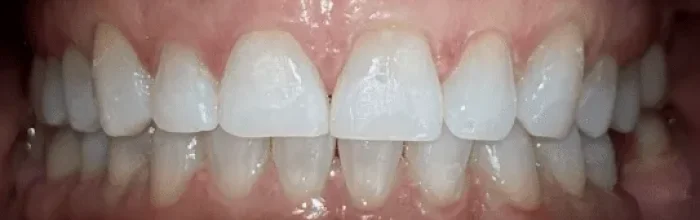
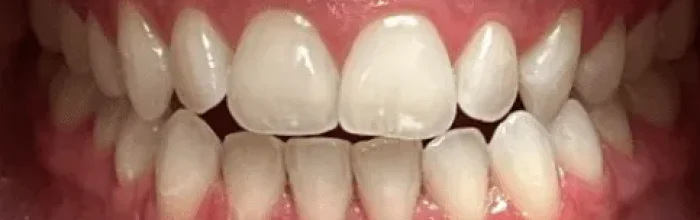
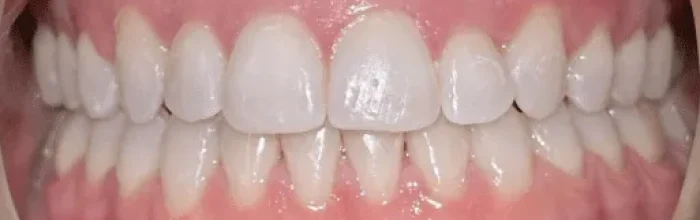
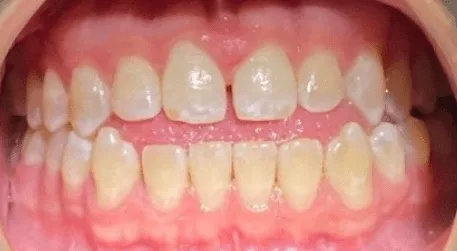
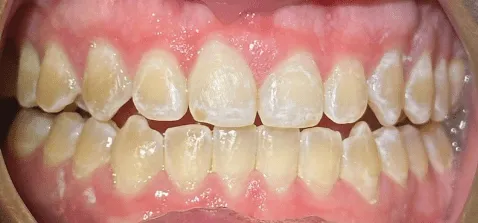
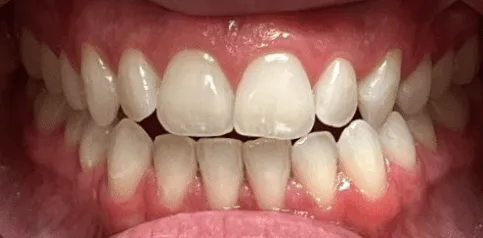
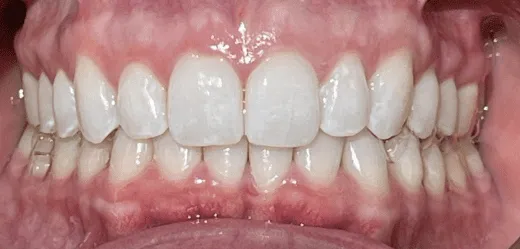
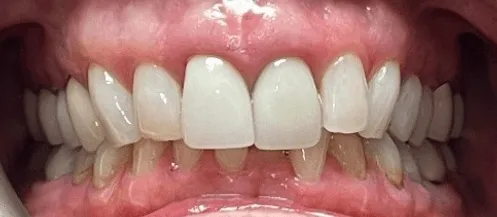
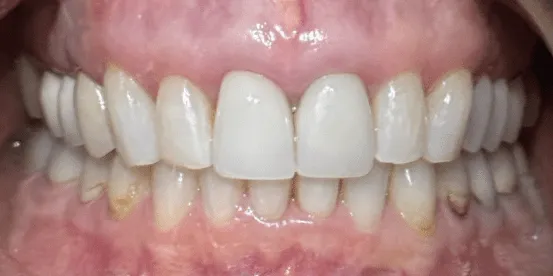
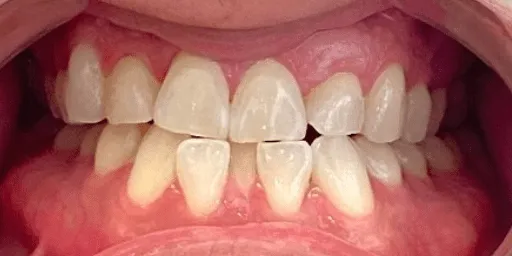
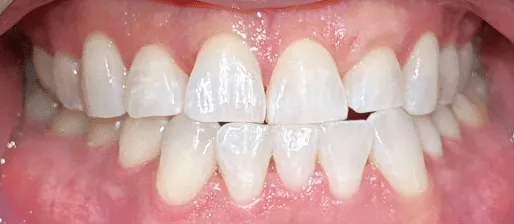
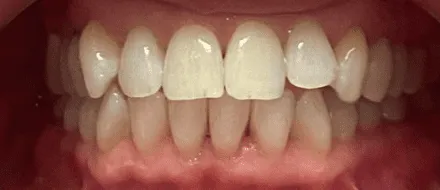
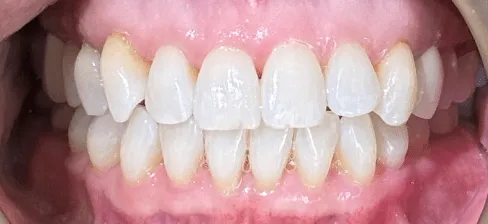
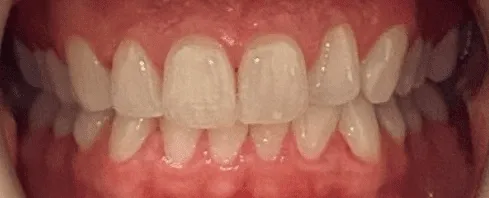
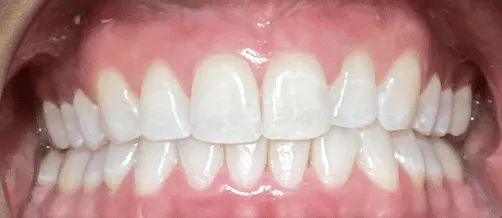
Real patient results
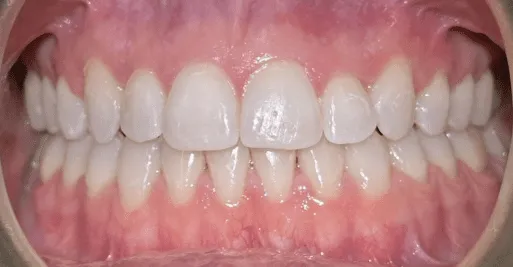
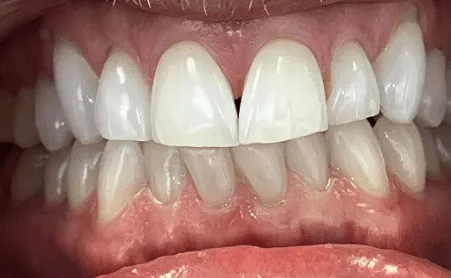
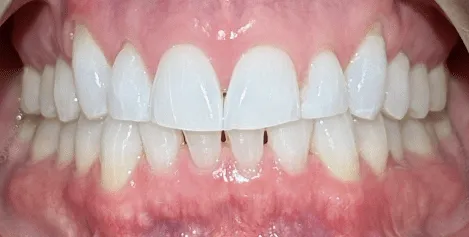
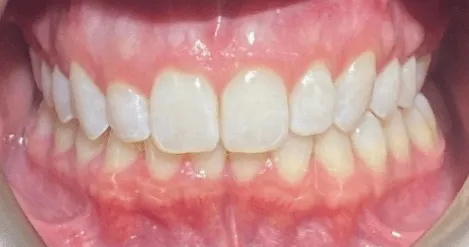
Before & after, treated here in Reno
Every case below was planned and finished by Dr. Prince and our team — not a lab, not a mail-order kit.
Platinum status signifies an Invisalign provider that is in the top 5% of dentists/orthodontists in the world, based on the number of cases they’ve successfully treated. Dr. Prince has placed clear aligners since 2004 and was recognized at the 2025 Invisalign Summit as a “Top Doctor 2025”.
Dr. Prince developed the Natural Smile Method® to improve the longevity, beauty and health of his patient’s teeth. And through his techniques patients report a reduction in headaches and tension in the face and jaw as well.
Connecting with Dr. Prince is easy. Book your complimentary Invisalign Consultation Today!
“My teeth were straight as I had braces twice previously in my life. However, my bite was so misaligned, I was chipping my front teeth when I would grind my teeth at night. Dr. Prince recommended Invisalign to correct my bite and align my teeth more appropriately. At first I was hesitant in my decision thinking I would end up where I started. However, I made the decision to move forward. It was the best decision I could have made. My teeth are in line, I don’t have any chipping and for the first time in my life, I feel like my bite is perfect. My joints feel better as well. It was easy and quick and so effective.”
DC
Denise C.
Invisalign patient White Pine Family Dental
Bite correction
Invisalign
Joint relief
★★★★★
Dr. Prince walked me through every step before I committed. Twelve months later my bite is straight and my confidence is back. The team never once made me feel rushed.
M
Michael T.
Reno · Google review
★★★★★
I put off Invisalign for years thinking it would be complicated. It wasn’t. White Pine handled the financing, the timeline was exactly what they said, and I finished with two free whitening sessions.
S
Sarah L.
Sparks · Google review
★★★★★
Best dental experience I’ve had. Everything was included in the quoted price — no surprise bills, no upsells. My teeth look better than they ever have.
Your Invisalign treatment at White Pine includes over $1,590 in services most offices bill separately.
Included in your Invisalign case
No add-on fees, no surprise costs at check-in.
Total included value
$1,594
Consultation & pre-treatment work-up
$125 included
CBCT 3D imaging
$245 included
All orthodontic appointments & aligner checks
$300–$500 included
Cleaning kit
$10 included
1 box of Oracare
$49 included
Prevident 5000 prescription toothpaste
$20 included
Two professional whitening gels
$60 included
2 aligner refinements within 3 years
$585 included
Orthodontic insurance coverage
Reviewed at consultation
Your investment
Confirmed at consultation
5-YEAR PROGRAM
Your post-treatment perks
We keep protecting your smile long after your last aligner.
25%
off
Vivera — 4 sets of Invisalign retainers
25%
off
Single Invisalign retainer
5%
off
Oracare — ongoing
2 free
Whitening gels every 6 months
Discounts cannot be combined. Anything not covered by your insurance becomes your responsibility.
Flexible financing
Your smile shouldn't have to wait
We want every Reno patient who wants Invisalign to be able to start. Apply in under two minutes with no hard credit pull, and choose flexible monthly payments through Cherry.